How weight loss and a healthy lifestyle may improve sleep apnea symptoms
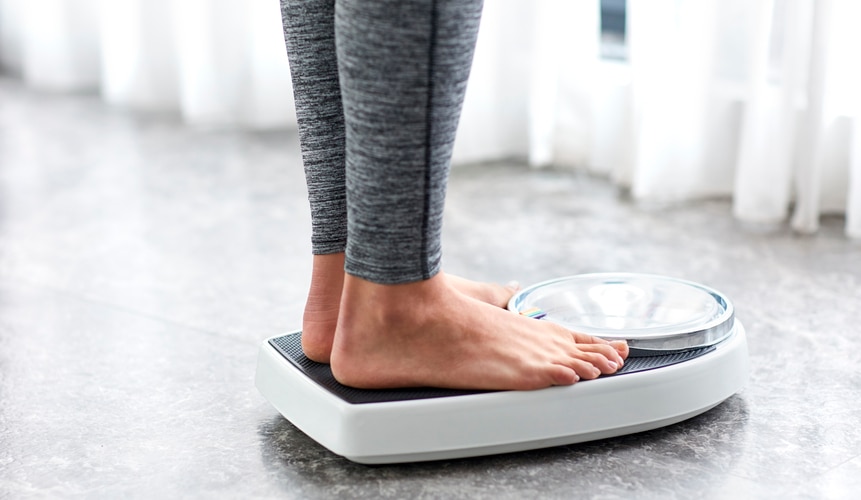
Eating right, exercising and getting quality sleep are part of a healthy lifestyle that can help you reach a healthy weight. While it may not cure your sleep apnea, maintaining a healthy weight may reduce your symptoms.
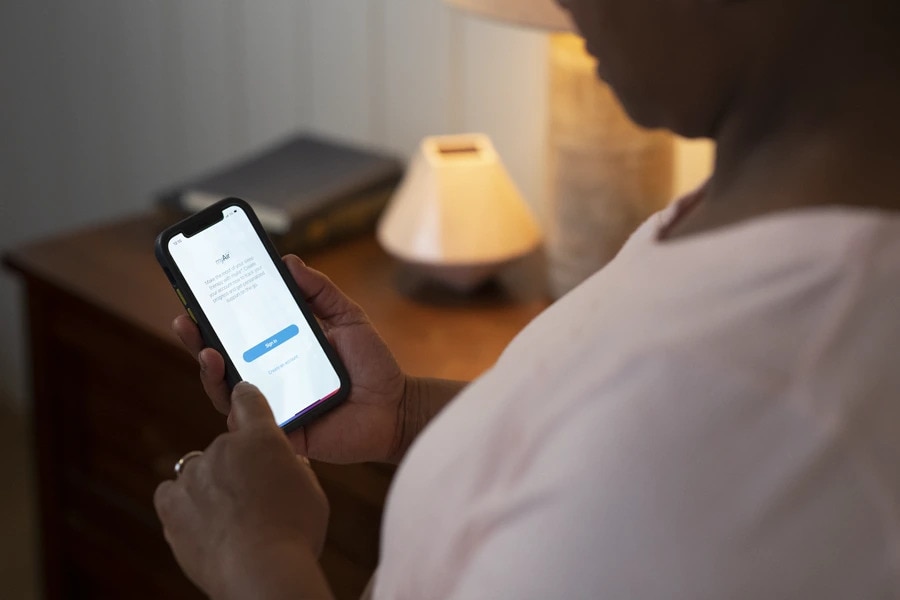
There are a variety of apps that can help you track your diet, exercise and even your sleep.
Effective weight loss strategies
Reaching sustainable weight loss goals requires a mix of strategies. This can include changes to your diet and regular exercise. In some instances, when typical weight loss methods don’t work and you’re struggling to lose weight, working with professional nutritionists, dieticians, a personal trainer and–of course–your doctor can help you carve out a healthy weight management plan.
Dietary changes
One of the most profound lifestyle changes that can help you lose weight is to make changes to what you eat. Start by reducing your consumption of sugar, saturated fats, and refined carbohydrates and increasing your intake of vegetables, fruits, and lean proteins. A few small changes–like swapping soda and sugary drinks for water–can go a long way toward helping you achieve your weight loss goals.
Regular exercise
Exercise helps you burn calories, and creating a caloric deficit can lead to weight loss. Building muscle helps you continue burning calories even while resting, and aerobic exercise can strengthen both your heart and your lungs.
Realistic goal setting
If you’re on a weight loss journey to reduce the severity of your sleep apnea and improve your overall health, be gentle with yourself and set realistic weight goals. If your goals are too aggressive and you push yourself too hard to lose weight too soon, you might lose motivation if you’re not reaching your goals. Enlisting the aid of a personal trainer or a nutritionist can help you set achievable goals based on your age, activity levels and overall health.